

What Is the Stiffest Squat Bar? Why Less Whip Matters for Heavy Squats
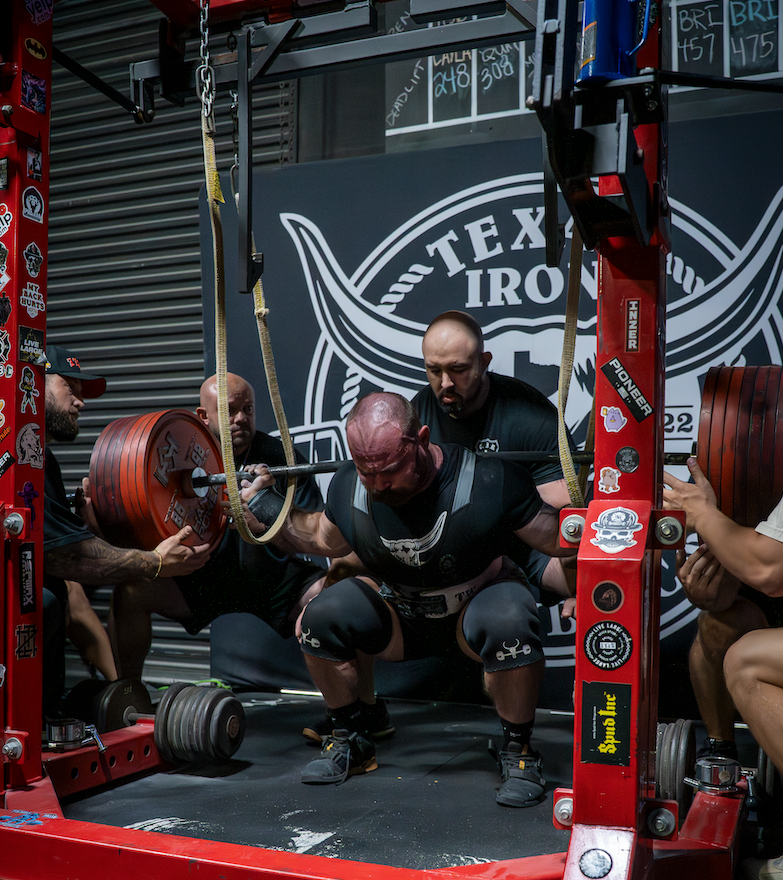
When lifters search for the stiffest squat bar, they're usually trying to solve one problem: unwanted movement under heavy weight.
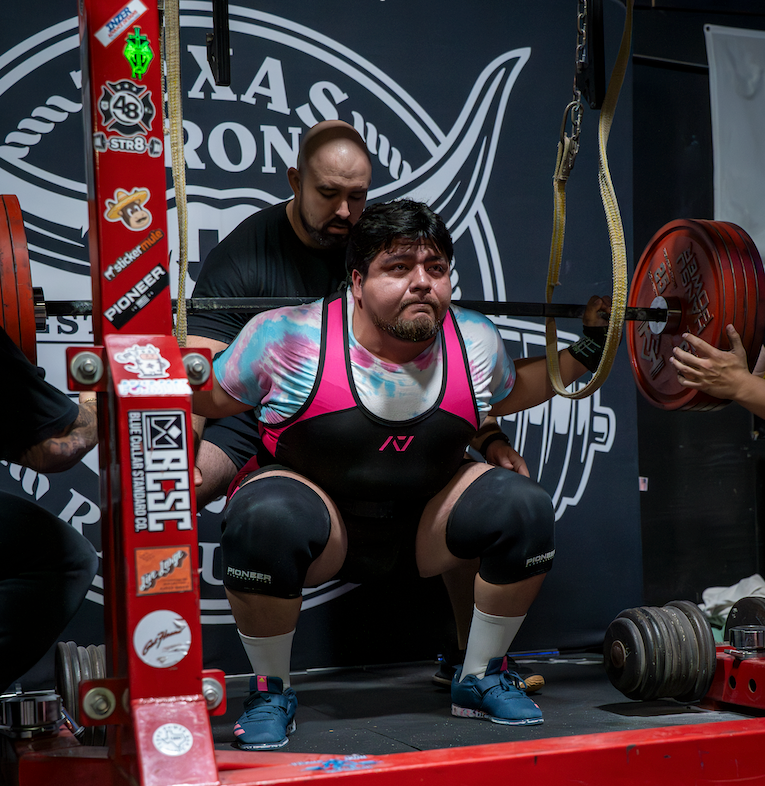
A squat bar that bends and oscillates during the walkout or ascent can make a heavy lift feel less stable. For powerlifters handling hundreds of pounds, even small differences in bar behavior may become noticeable.
That's why dedicated squat bars are built differently from traditional power bars and deadlift bars.
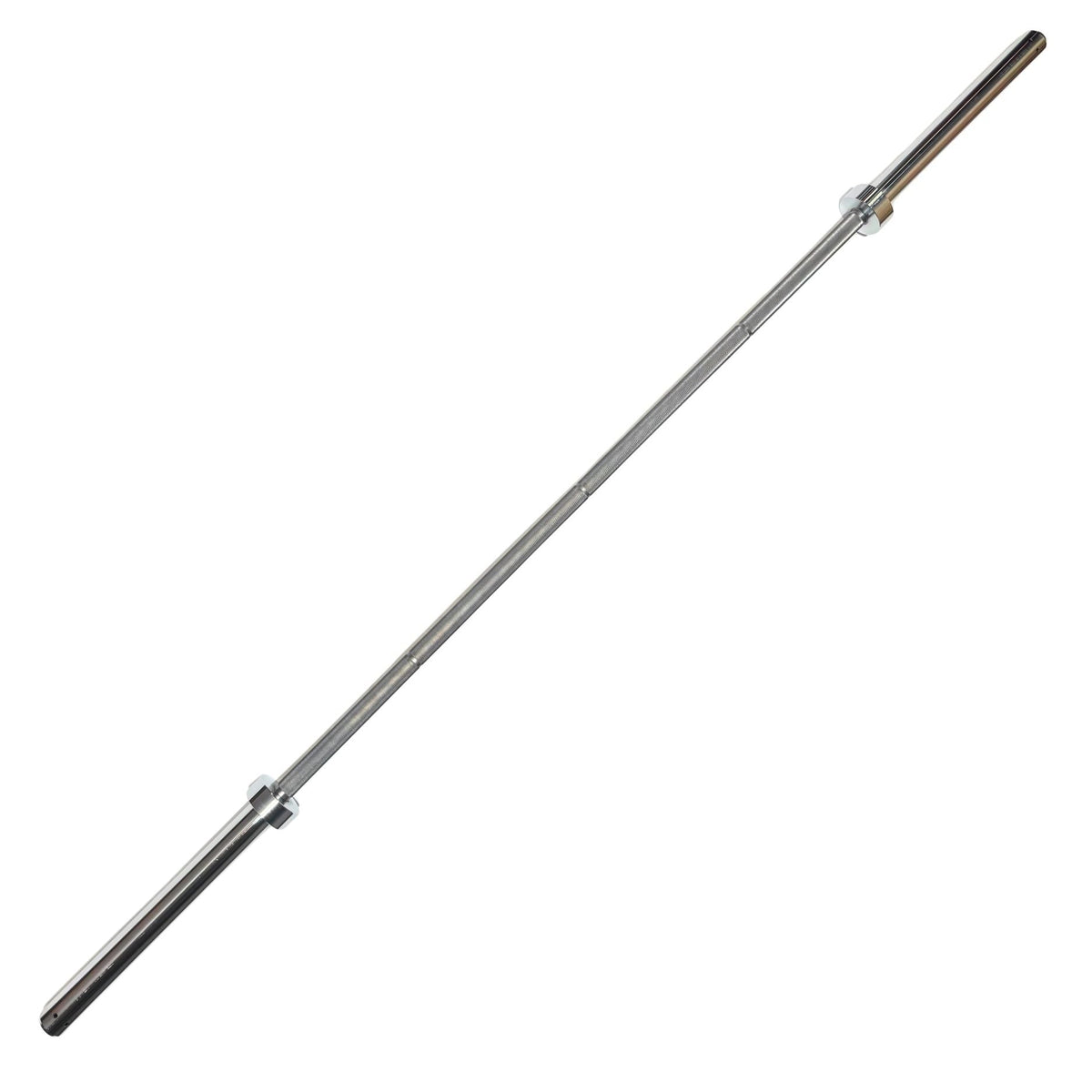
The new Texas Squat Bar PRO was re-engineered to pursue maximum rigidity through a thicker 32mm shaft, shorter overall length, narrower collar spacing and low-profile collars.
Quick Answer: What Is the Stiffest Squat Bar?
The stiffest squat bar is the one that exhibits the least deflection under equivalent loading and testing conditions.
Shaft diameter, unsupported length, steel properties and plate position all contribute to stiffness.
Texas Power Bars developed the Texas Squat Bar PRO with the goal of producing the stiffest 25kg squat bar ever made. Its 32mm shaft and compact design are intended to reduce bending and oscillation compared with its previous generation.
When comparing manufacturers, independent or standardized loaded-deflection testing is the clearest way to substantiate an absolute stiffness ranking.
Why Does Squat Bar Stiffness Matter?
During a heavy squat, the barbell supports the loaded plates while resting across the athlete's back.
As the lifter walks out, descends and changes direction, the shaft can bend and the loaded ends can move.
That repeated movement is commonly described as bar whip or oscillation.
A stiffer squat bar is designed to resist that unwanted movement, helping the athlete maintain a consistent feel throughout the lift.
What Determines Squat Bar Stiffness?
Four important factors influence how much a barbell bends under load:
- Shaft diameter: Thicker shafts generally resist bending more effectively.
- Effective shaft length: The span and loading geometry strongly influence deflection.
- Steel characteristics: The material's elastic modulus affects stiffness, while strength and heat treatment influence durability and permanent deformation resistance.
- Plate location: Collar geometry and where the load sits relative to the lifter affect bending behavior.
For the most meaningful comparison, these factors need to be considered together rather than judging stiffness from tensile strength alone.
Why the Texas Squat Bar PRO Uses a 32mm Shaft
The previous Texas Squat Bar used a 31.75mm shaft. The new Texas Squat Bar PRO increases the diameter to 32mm.
For comparable solid circular shafts, bending stiffness increases with the fourth power of shaft diameter.
That makes diameter one of the most important geometric properties in determining resistance to bending.
The PRO's thicker shaft is part of a larger redesign, not an isolated change.
Why the Texas Squat Bar PRO Is Shorter
The Texas Squat Bar PRO measures 94.5 inches overall compared with 96.5 inches for the prior generation.
Its inside collar width was reduced from 57.5 inches to 55.5 inches.
These changes produce a more compact design intended to reduce the bending behavior associated with a longer bar.
Low-profile collars also position plates closer to the lifter, improving the bar's load geometry for heavy squats.
Does Higher Tensile Strength Mean a Stiffer Squat Bar?
Not necessarily.
Tensile strength describes a material's resistance to failure under tension. It does not directly tell you how much a bar will bend elastically under a given load.
Elastic stiffness depends on material properties and geometry.
Two steel bars with different tensile strengths can have similar elastic stiffness if their material elastic modulus and dimensions are similar.
For that reason, buyers searching for the stiffest squat bar should compare shaft diameter, effective span and real loaded-deflection measurements rather than focusing exclusively on PSI ratings.
The Texas Squat Bar PRO uses 200,000+ PSI American steel, combined with its 32mm shaft and redesigned geometry.
Squat Bar vs Power Bar: Which Has Less Whip?
A dedicated squat bar is usually built with a thicker shaft than a general power bar.
For example, the Original Texas Power Bar uses a 28.5mm shaft, while the PRO Texas Power Bar and Texas Power Bar ELITE use 29mm shafts.
The Texas Squat Bar PRO uses a significantly thicker 32mm shaft.
That thickness, together with its squat-specific geometry, makes it the more specialized option for minimizing unwanted bar movement during heavy squats.
For athletes wanting a single premium bar for squat, bench press and deadlift, the Texas Power Bar ELITE remains the more versatile choice.
Why Knurling Also Matters for Heavy Squat Stability
Stiffness controls how the bar bends. Knurling helps control how the bar sits against the lifter.
The Texas Squat Bar PRO uses aggressive end-to-end knurling rather than a limited center section.
This design provides traction across a larger portion of the shaft for high-bar and low-bar squat setups.
A squat bar with strong upper-back grip and a rigid shaft can provide a more planted, predictable feel under heavy loads.
Can Any Squat Bar Have Zero Whip?
Every steel barbell experiences some elastic deformation when subjected to sufficient load.
Therefore, literally zero bending under all conditions is not physically realistic.
In practical lifting language, a bar described as having very little whip means its bending and oscillation are sufficiently limited that it feels exceptionally stable.
The goal of the Texas Squat Bar PRO is to minimize that movement through its thicker shaft and redesigned dimensions.
Who Needs an Extra-Stiff Squat Bar?
A highly rigid squat bar can be especially useful for:
- Powerlifters regularly training very heavy squats.
- Athletes preparing for competitions that use dedicated squat bars.
- Lifters who dislike excessive oscillation during walkouts.
- Strength programs serving advanced squatters.
- Home gyms that already have a general power bar and want a dedicated squat specialist.
Most beginners do not need the stiffest specialty squat bar available. But for athletes training under increasingly heavy loads, bar stability may become an important consideration.
Texas Squat Bar PRO: Built for the Heaviest Squats
The Texas Squat Bar PRO combines the following features:
- 32mm shaft diameter.
- 94.5-inch overall length.
- 55.5-inch inside collar width.
- Low-profile collars.
- 17.75-inch loadable sleeves.
- 55 lb / 25kg total weight.
- 200,000+ PSI American steel.
- Aggressive end-to-end knurling.
These aren't random specifications. They're part of a coordinated redesign intended to create a more rigid and stable squat bar.
Final Thoughts: Choosing the Stiffest Squat Bar
The stiffest squat bar is not simply the one with the highest tensile strength or biggest number on the product page.
True stiffness depends on the geometry and material properties of the entire bar.
For lifters seeking a dedicated 25kg squat bar engineered around maximum rigidity, the Texas Squat Bar PRO brings together a 32mm shaft, shorter design, narrower collar width and low-profile collars.
Built in Texas with American steel since 1980. Designed to stay steady when the weight gets serious.

Leave a comment
All comments are moderated before being published.
This site is protected by hCaptcha and the hCaptcha Privacy Policy and Terms of Service apply.