

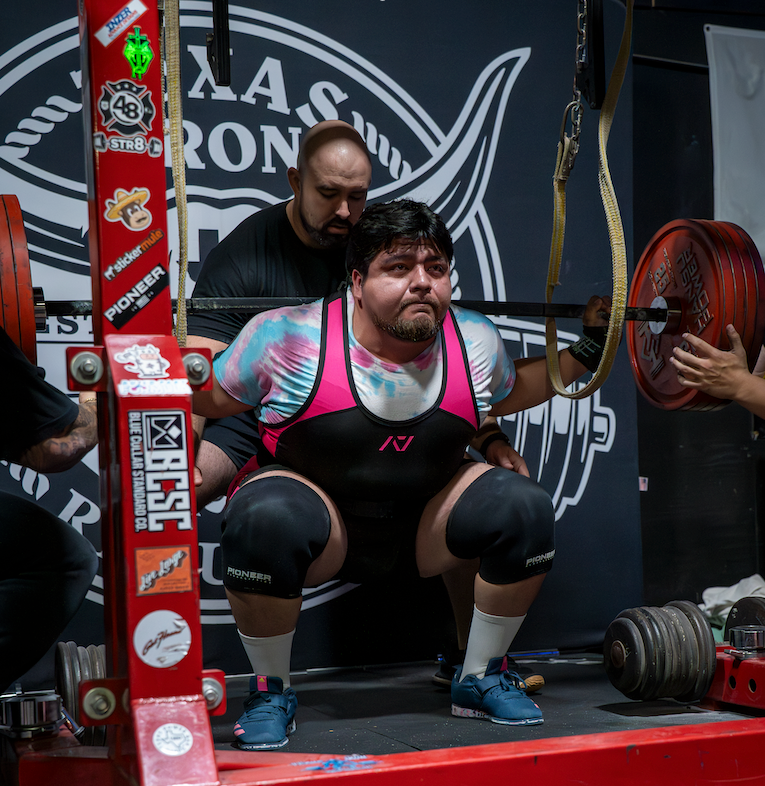
32mm vs 31.75mm Squat Bar: Does a Thicker Shaft Really Make a Difference?
Does increasing a squat bar's shaft diameter from 31.75mm to 32mm really make a difference?
At first glance, a quarter of a millimeter may not sound like much. But shaft diameter plays a significant role in the bending stiffness of a barbell, particularly when combined with other engineering changes.
That is exactly why the new Texas Squat Bar PRO was redesigned with an upgraded 32mm shaft, shorter overall length, narrower inside collar width and low-profile collars.
Understanding how these details work together helps explain why serious squat bars are built differently from traditional power bars.
What Is the Difference Between a 32mm and 31.75mm Squat Bar?
The direct difference in shaft diameter is 0.25mm.
The previous-generation Texas Squat Bar used a 31.75mm shaft, while the upgraded Texas Squat Bar PRO features a 32mm shaft.
For otherwise identical solid circular shafts made from the same material, that increase in diameter produces approximately 3.2% greater theoretical bending stiffness.
That calculation considers the shaft diameter alone. It does not account for changes in overall length, collar spacing, load position or other parts of the bar's construction.
On the Texas Squat Bar PRO, the shaft upgrade is only one part of a broader redesign.
How Does Shaft Diameter Affect Barbell Stiffness?
The bending stiffness of a solid circular shaft is strongly related to its diameter.
Its second moment of area is proportional to the fourth power of the diameter. That means stiffness increases more rapidly than diameter itself.
For example, if two solid steel shafts are made from comparable materials and have the same length and loading conditions, the thicker shaft will generally resist bending more effectively.
However, the actual deflection of a loaded barbell also depends on where the load is placed, how the bar is supported and the distances involved.
That is why a complete barbell design matters more than one measurement alone.
Why the Texas Squat Bar PRO Uses a 32mm Shaft
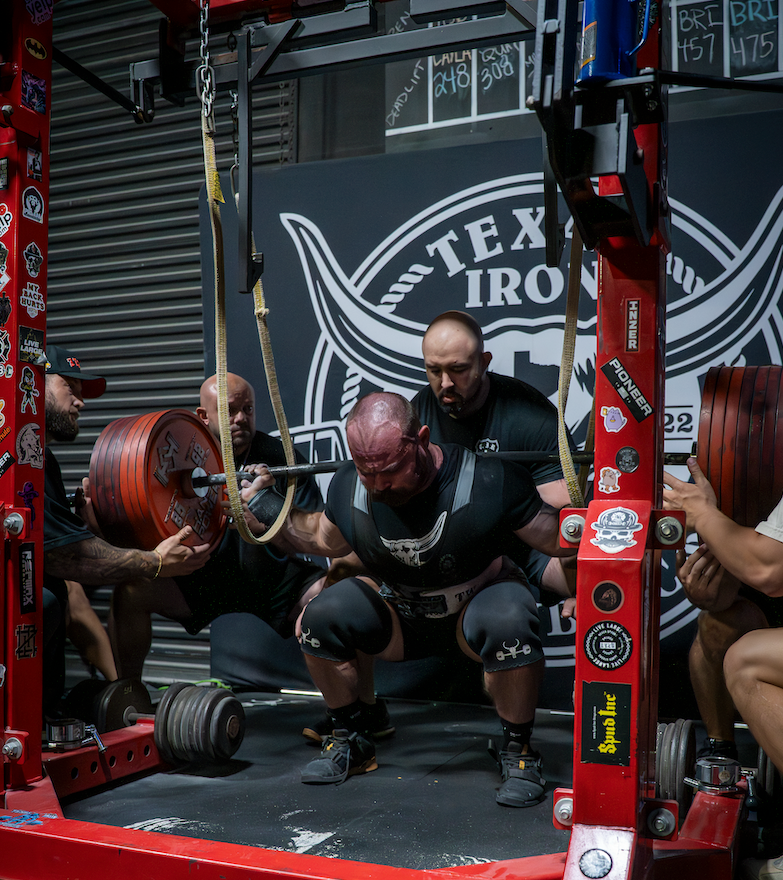
The Texas Squat Bar PRO was engineered to prioritize rigidity during heavy squats.
Its thicker shaft increases the section's resistance to bending compared with the previous 31.75mm design.
For lifters handling heavy squat loads, reduced shaft movement may improve the feeling of stability during walkouts and throughout the squat.
But Texas Power Bars did not stop with diameter.
The new PRO also features a shorter overall design and narrower inside collar width to address other aspects of loaded-bar geometry.
Why Overall Bar Length Matters
A longer bar can behave differently from a shorter bar even if both use the same steel and diameter.
The distance between where a bar is supported and where weight is applied influences bending deflection.
The previous Texas Squat Bar measured 96.5 inches overall.
The new Texas Squat Bar PRO measures 94.5 inches.
This two-inch reduction is part of the redesigned geometry intended to reduce unwanted movement.
Why Inside Collar Width Matters
The inside collar width on the previous Texas Squat Bar was 57.5 inches.
On the Texas Squat Bar PRO, it is 55.5 inches.
That narrower layout, combined with low-profile collars, helps bring the plates closer to the lifter.
Because load position affects bending behavior, collar geometry is an important part of designing a highly rigid squat bar.
This is why comparing shaft diameters alone will not explain the complete difference between two squat bars.
32mm Squat Bar vs 29mm Power Bar
A standard power bar needs to work for squats, bench press and deadlifts.
For example, the PRO Texas Power Bar and Texas Power Bar ELITE use 29mm shafts to provide stiffness while retaining versatility across all three lifts.
A dedicated squat bar can prioritize different features because it is designed for one movement.
The Texas Squat Bar PRO uses a 32mm shaft and specialized geometry to pursue maximum squat rigidity.
For lifters who want one premium power bar, the Texas Power Bar ELITE is the more versatile option.
For lifters who want a dedicated bar focused on heavy squat stability, the Texas Squat Bar PRO is engineered for that role.
Why Knurling Matters Just as Much as Shaft Thickness
Stiffness isn't the only characteristic that affects the way a squat bar feels.
The bar also needs to remain secure across the lifter's back.
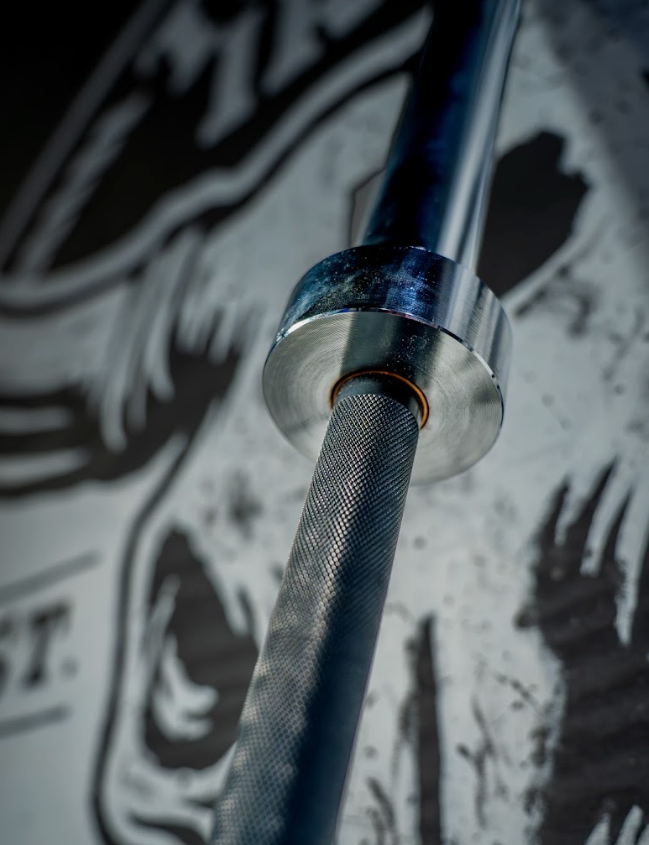
The Texas Squat Bar PRO features aggressive end-to-end knurling, replacing the previous generation's 6-inch center section.
This provides additional traction across the shaft for different shoulder widths and squat positions.
A rigid shaft and secure upper-back grip work together to help create a more planted feeling under heavy loads.
Why Longer Sleeves Are an Important Upgrade
Heavy squat training often requires considerable loading space.
The Texas Squat Bar PRO increases loadable sleeve length from 16.875 inches to 17.75 inches.
This adds usable room for plates and collars even though the overall bar is shorter.
That is possible because of the redesign of the bar's proportions and collar configuration.
Does a Thicker Squat Bar Always Mean a Better Squat Bar?
No. Shaft thickness is important, but it is not the only measure of squat-bar quality.
Bar weight, usable sleeve space, knurl profile, rack compatibility, steel quality and loading geometry also matter.
A thicker bar can also feel different across the back and in the hands. Some lifters may prefer one diameter over another depending on experience and personal preference.
The best squat bar is the one that combines appropriate stiffness with practical design for the lifter's needs.
Is the Texas Squat Bar PRO Worth It Over the Previous Generation?
The PRO offers several meaningful upgrades beyond the modest increase in shaft diameter.
These include:
- 32mm shaft instead of 31.75mm.
- 94.5-inch overall length instead of 96.5 inches.
- 55.5-inch inside collar width instead of 57.5 inches.
- Low-profile collars instead of standard collars.
- 17.75-inch loadable sleeves instead of 16.875 inches.
- End-to-end aggressive knurling instead of a 6-inch center section.
Together, these upgrades were designed to create a more rigid squat bar with greater upper-back traction and additional room for heavy plate loading.
For lifters who want the newest generation of dedicated squat equipment, the PRO provides a comprehensive redesign rather than a single specification change.
Final Thoughts: Does 32mm Make a Difference?
Yes. Shaft diameter influences barbell bending stiffness, and increasing diameter from 31.75mm to 32mm provides a measurable theoretical increase in rigidity when other conditions are equal.
But the full story is bigger than a quarter of a millimeter.
The Texas Squat Bar PRO combines its 32mm shaft with a shorter design, narrower inside collar width, low-profile collars, aggressive end-to-end knurling and longer loadable sleeves.
Each change was made with a purpose: create a more rigid, stable and practical barbell for heavy squats.
Made in Texas with American steel since 1980.

Leave a comment
All comments are moderated before being published.
This site is protected by hCaptcha and the hCaptcha Privacy Policy and Terms of Service apply.