

Is a Dedicated Squat Bar Worth It? When Should You Upgrade?
Is a dedicated squat bar worth buying if you already own a good power bar?
For many lifters, one quality barbell is all they need. A power bar can handle squats, bench presses, deadlifts, rows, and years of strength training.
But when squats become a major focus, especially under heavy loads, a dedicated squat bar can offer meaningful advantages in stiffness, stability, knurling, and loading capacity.
That is why serious powerlifters and strength facilities often have a dedicated squat bar alongside their main power bars.
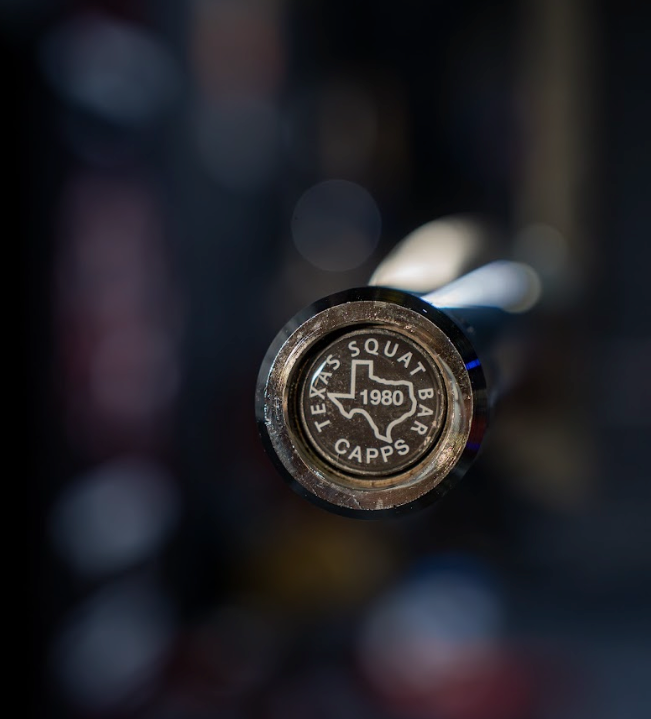
At Texas Power Bars, we've manufactured American-made barbells since 1980. Our new Texas Squat Bar PRO was completely redesigned to reduce unwanted flex and provide a more stable feel under heavy squat loads.
Is a Dedicated Squat Bar Actually Worth It?
A dedicated squat bar can be worth it for lifters who train heavy squats frequently, compete using specialty squat bars, or want greater stability than their standard power bar provides.
It may not be necessary for beginners, casual lifters, or home gyms with limited equipment budgets.
The deciding factor is whether you will benefit from the specialized features often enough to justify adding another bar.
What Does a Squat Bar Do That a Power Bar Doesn't?
A standard power bar is engineered to balance performance across squat, bench press, and deadlift.
A dedicated squat bar can focus more heavily on the demands of one lift.
That allows for design priorities such as:
- Greater shaft diameter and rigidity.
- Reduced unwanted flex and oscillation.
- More aggressive or extended back knurling.
- Additional loadable sleeve space.
- A longer or heavier specialty configuration when appropriate.
The Texas Squat Bar PRO combines a 32mm shaft with redesigned dimensions and full-length knurling to prioritize stability under heavy squat loads.
Benefit 1: Greater Stability During Heavy Squats
As a barbell gets heavily loaded, the shaft bends and may oscillate during the lift.
During a squat, that movement can be felt across the lifter's upper back, particularly when walking the weight out or changing direction at the bottom.
A thicker, stiffer squat bar helps reduce this unwanted movement.
The Texas Squat Bar PRO uses a 32mm shaft, increased from the previous generation's 31.75mm diameter.
It also measures 94.5 inches overall and has a 55.5-inch inside collar width. These dimensions, combined with low-profile collars, were engineered to increase rigidity.
Benefit 2: A More Secure Bar-to-Back Connection
Squat bar knurling serves a different purpose from hand grip during a deadlift.
During squats, the knurl helps the bar remain secure against the upper back.
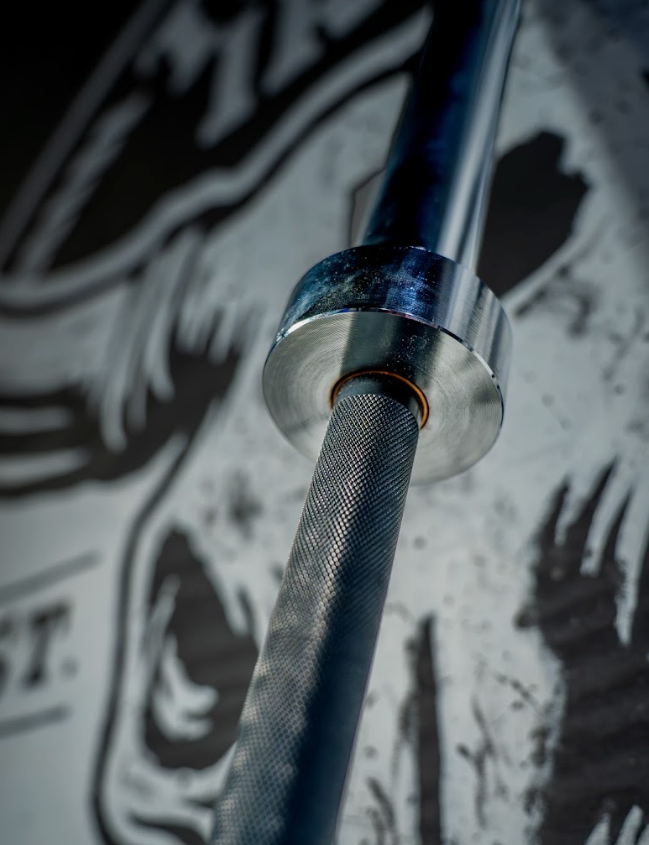
The Texas Squat Bar PRO features aggressive end-to-end knurling rather than only a limited center strip.
This expanded gripping surface is particularly relevant for lifters with different shoulder widths and high-bar or low-bar squat positions.
Benefit 3: More Room for Heavy Plates
The thicker the plates, the faster loadable sleeve space disappears.
A dedicated squat bar can provide additional loading space for heavier training setups.
The Texas Squat Bar PRO offers 17.75-inch loadable sleeves, increased from 16.875 inches on the outgoing bar.
That gives lifters more room for plates and collars without requiring a longer overall bar design.
Benefit 4: Training With Equipment Similar to Competition
Some powerlifting competitions use dedicated squat bars rather than a single power bar for all three lifts.
If you compete in those events, practicing with a similar bar can help you become familiar with its weight, diameter, knurling and behavior under load.
Always confirm the actual equipment used at your meet, as different federations and event organizers have different requirements.
When Should You Upgrade to a Dedicated Squat Bar?
There is no universal weight at which a lifter must switch to a squat bar.
The better questions are:
- Are you squatting heavy enough that unwanted bar oscillation becomes noticeable?
- Do you train squats frequently or run specialized squat training cycles?
- Do you compete with a specialty squat bar?
- Would improved upper-back traction be valuable for your squat style?
- Do you regularly need additional sleeve space for plates?
- Do you already own a quality primary power bar?
If several of those apply, adding a dedicated squat bar may be a worthwhile investment.
Should You Upgrade Your Power Bar First?
If you only own one barbell, upgrading the quality of that main bar may provide more overall value than buying a specialty squat bar immediately.
The Original Texas Power Bar offers the classic 28.5mm Texas powerlifting feel.
The PRO Texas Power Bar upgrades to a 29mm shaft with increased stiffness.
The Texas Power Bar ELITE offers the premium option in our three-lift power bar lineup, including a refined design, low-profile collars, longer loading sleeves, and a choice of knurling aggressiveness.
For someone building a serious powerlifting gym with one primary bar, the PRO or ELITE may be the strongest first upgrade.
For someone who already owns a capable power bar and wants to specialize in heavy squats, the Texas Squat Bar PRO becomes a logical next addition.
Is the Texas Squat Bar PRO Worth Upgrading From the Previous Generation?
Existing Texas Squat Bar owners have a slightly different decision to make.
The new PRO introduces several engineering improvements:
| Feature | Previous Generation | New PRO |
|---|---|---|
| Shaft | 31.75mm | 32mm |
| Length | 96.5" | 94.5" |
| Inside collars | 57.5" | 55.5" |
| Sleeves | 16.875" | 17.75" |
| Knurl | 6" center | End-to-end |
| Collars | Standard | Low-profile |
These changes address shaft stiffness, bar geometry, traction and loading capacity.
The upgrade makes sense for lifters who specifically want those improvements. Someone satisfied with their outgoing squat bar may not need to replace it.
Who Probably Doesn't Need a Dedicated Squat Bar Yet?
A dedicated squat bar is not essential for every lifter.
You may be better served by a versatile bar if you are just beginning strength training, train all movements equally, have limited storage, or only occasionally squat.
A premium power bar can support years of serious training without requiring specialty equipment for every lift.
What About Home Gyms?
For a home gym, a dedicated squat bar can be a strong second or third barbell purchase.
Start with a durable primary bar that can handle multiple exercises. Then add specialty bars as your training becomes more specific.
A typical serious powerlifting setup might include an ELITE or PRO Texas Power Bar for general work, a Texas Deadlift Bar for pulling, and a Texas Squat Bar PRO for heavy squats.
Just make sure your rack dimensions and available training space can accommodate the specialty bar before purchasing.
Final Verdict: Is a Dedicated Squat Bar Worth Buying?
If squatting is a major part of your training, a dedicated squat bar can absolutely be worth the investment.
Increased rigidity, upper-back traction and squat-specific geometry are useful benefits for lifters who handle serious weight.
The Texas Squat Bar PRO was built specifically for that purpose, using a 32mm shaft, shorter overall design, low-profile collars and aggressive end-to-end knurling.
But if you need one bar for every lift, start with a high-quality PRO or ELITE power bar and add specialty equipment when your goals justify it.
Strength is not one-size-fits-all. Neither are the bars built for it.
Shop Texas Squat Bar PRO | Compare All Bars | Explore Specialty Bars


Leave a comment
All comments are moderated before being published.
This site is protected by hCaptcha and the hCaptcha Privacy Policy and Terms of Service apply.